
A Dangerous Step Backwards for Nature: The Alarming New RMA Bills and What They Mean for Endangered Species
For more than 30 years, the Resource Management Act has been the legal shield protecting our rivers, forests, coastlines and wildlife from the activities that threaten them. The Government has now confirmed the two bills that will replace it, the Natural Environment Bill and the Planning Bill, and the changes go further than the drafts already scrutinised by the Environment Select Committee.
Thousands of native species are already threatened or at risk.
At a time when we need stronger action to restore biodiversity, these proposed changes would weaken the core protections that help safeguard our wildlife, waterways and natural places. The consequences for the species and ecosystems that make Aotearoa unique could be irreversible.

Killing protected wildlife would become easier
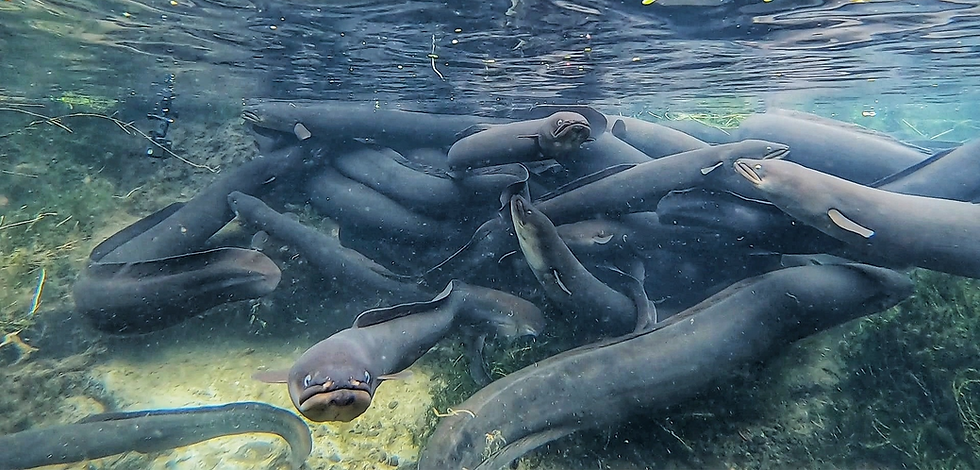
The revised bills weaken the rules that currently make it difficult for companies to harm native species during development and other activities. For a country with some of the highest rates of species endemism and extinction risk in the world, this could be the difference between a pekapeka or a tuna having a legal shield and having none.
For endangered species, the loss of even a small amount of habitat, or the death of individual animals, can have a major impact on their survival.
Hoiho Māui
The role of iwi in caring for nature is being weakened
For many years, iwi and councils have worked together through formal agreements, Mana Whakahono ā Rohe, that support shared environmental decision-making. The proposed changes would remove these arrangements, weakening a framework that brings together mātauranga Māori, local knowledge and collaborative approaches to restoring our natural world.
Undermining these partnerships weakens conservation outcomes as well as Te Tiriti o Waitangi. Protecting biodiversity is strongest when all voices are part of the conversation.
Environmental limits are being cut
The bills remove the requirement to keep development and agriculture within biophysical limits, the science-based lines that mark where an ecosystem can no longer absorb further damage. Ministers would be given expanded powers to approve activities that breach those limits if they judge the benefits outweigh the harm.
Limits exist because harm to habitat, once done, is often permanent.
Removing them removes the backstop that gives threatened species room to recover. 89% of freshwater fish are already at risk or endangered, and nearly half of our rivers and lakes are swimmable. Once habitats are lost and ecosystems decline, restoration becomes harder, slower and sometimes impossible.
Communities could pay the price for environmental harm
One of the most striking changes is a proposal that would allow companies to claim compensation when councils introduce stricter environmental rules. In practice, ratepayers and taxpayers could end up paying private companies to stop the pollution or habitat destruction they were causing in the first place.
The cost of environmental damage should not fall on the people trying to protect nature.
Stand together for nature on 19 September
The decisions being made now will shape the future of our forests, rivers, oceans, wetlands and endangered species for generations. On Saturday, 19 September 2026, thousands of people will come together in Tāmaki Makaurau to oppose these changes and call for a future where nature can thrive.
Tāngaro Tuia te Ora, the Endangered Species Foundation, will be standing alongside communities, advocates and kaitiaki who believe our native species deserve a future.
Join us and March for Nature.


